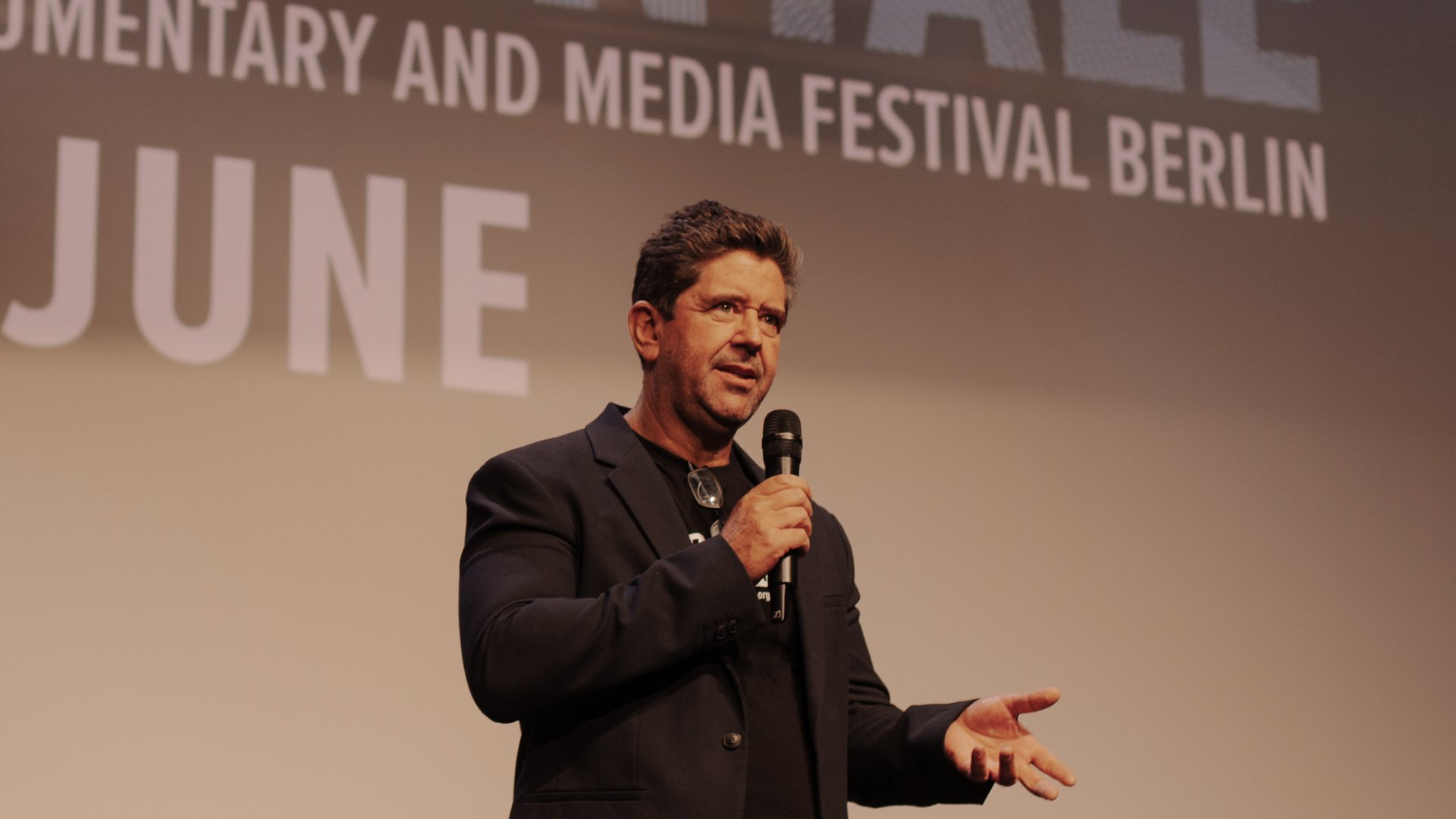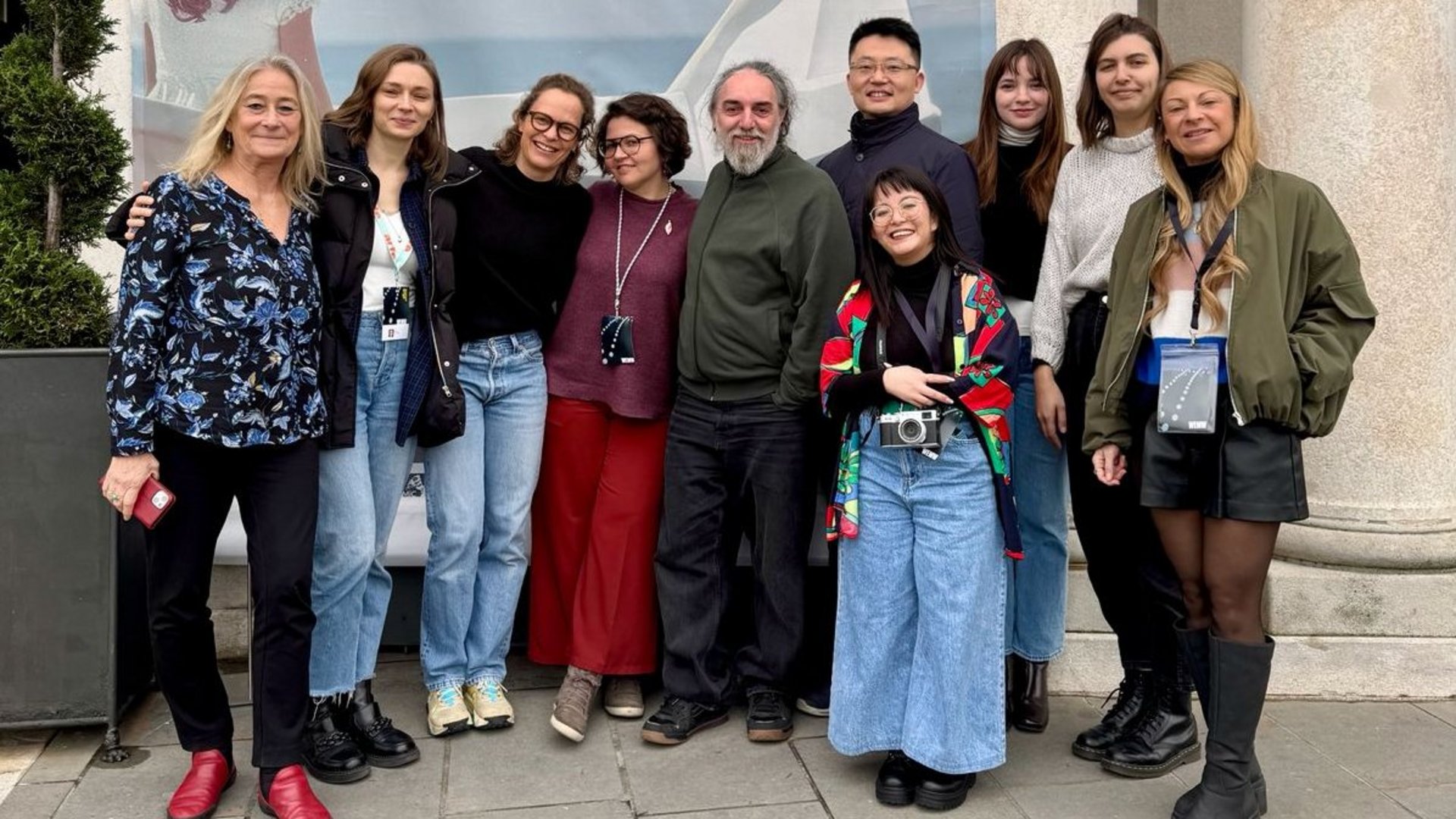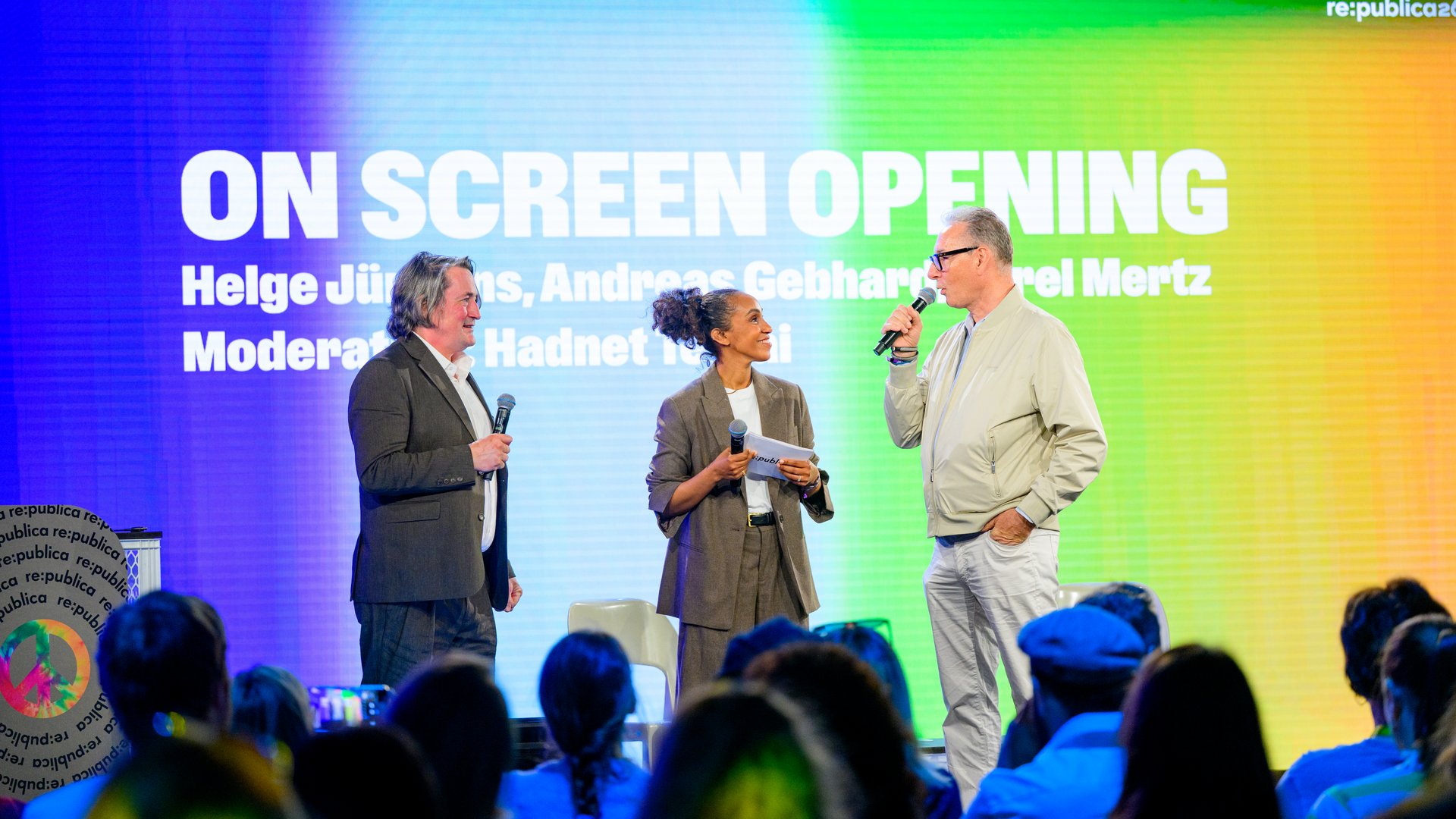
re:publica is one of the most important places in Europe where the internet, society and culture meet. So it means a lot that Medienboard Berlin-Brandenburg invited us to co-curate ON SCREEN, the day on 19 May 2026 that re:publica dedicates entirely to the moving image and the future of audiovisual media. In total, we designed three formats.
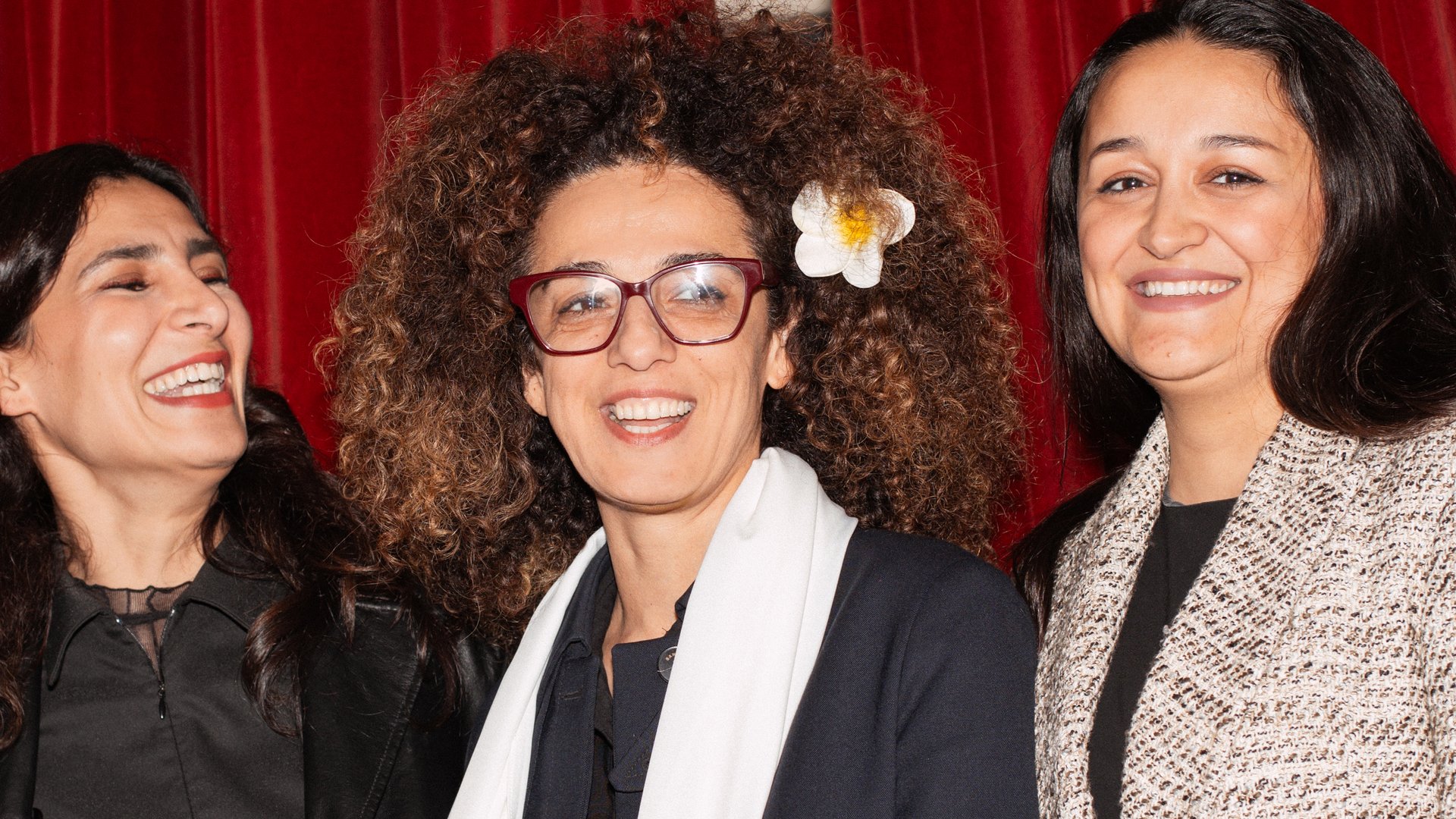
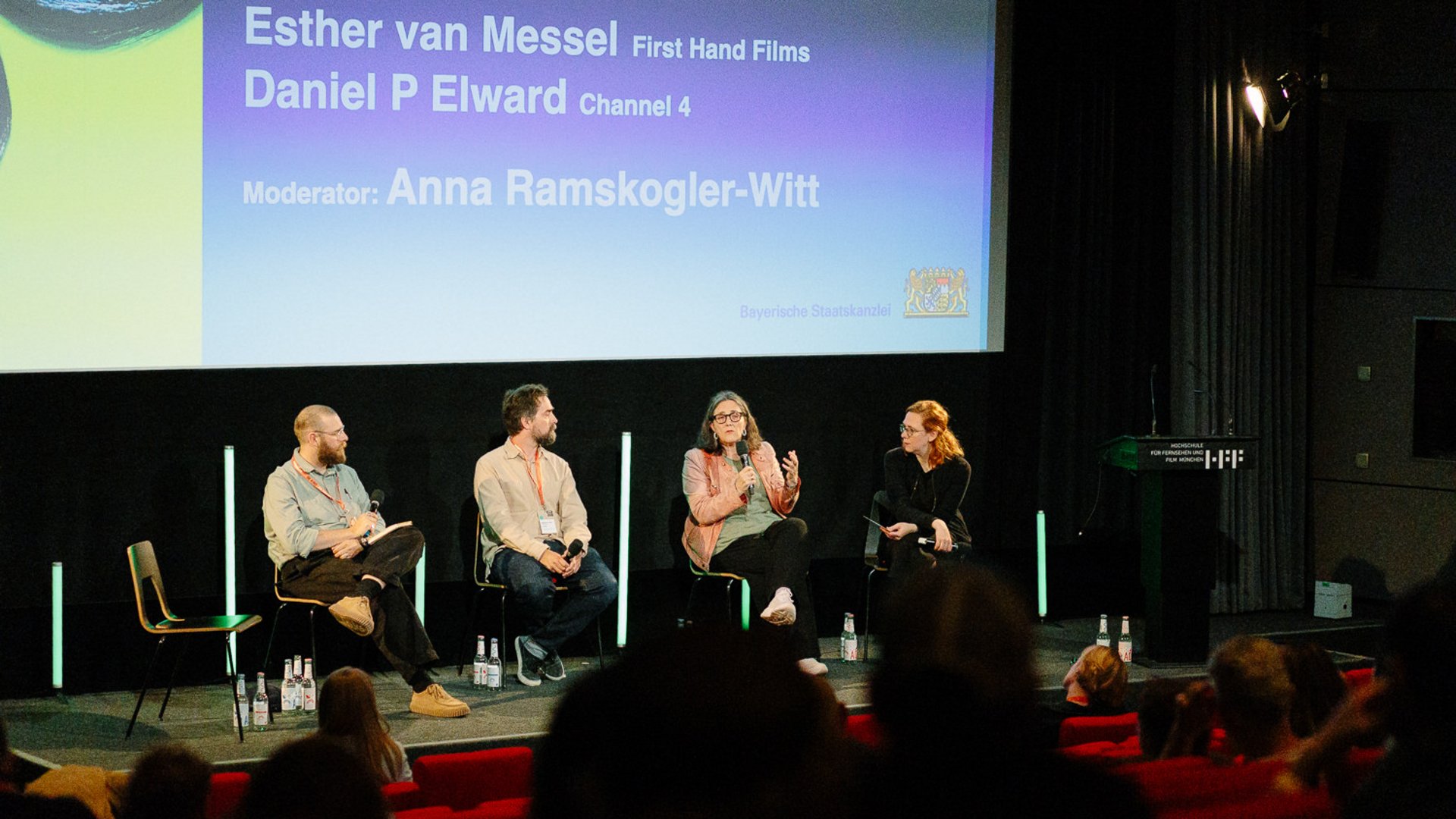
One of them I moderated myself: “Between Science Fiction and Reality.” Cinema creates images that linger, and quietly shapes how we think about power, society and what is possible. In an age of deepfakes and curated feeds, the question returns: what can cinema do that scrolling cannot, and who actually decides which stories get told? On stage sat three people who know that question from very different directions: Leopoldo López, co-founder of the World Liberty Congress and a freedom fighter from Venezuela who spent seven years as a political prisoner; Isabella Hermann, science fiction expert and author; and Michael Grotenhoff, producer of the documentary “Total Trust” about China’s surveillance system.
What I took away from the conversation:
- Science fiction is a political language. From Star Wars to Star Trek to “1984,” fiction has always told us how we imagine power, control and resistance. Isabella Hermann put it well: science fiction can be an accomplice of exploitation, its sharpest critic, or a tool to imagine a better world in the first place.
- Films make abstract power tangible. “Total Trust” shows China’s surveillance system not as a statistic but as the lived daily life of families. As a documentary producer, he wants to show reality, and reality is often a glimpse into a future we do not yet see coming.
- When utopia becomes a poison pill. Leopoldo López described how in Venezuela a promise of paradise, written into a new constitution, became the tool to hollow out democracy. His warning: promises of utopia can be poison pills for dystopia.
- Anti-dystopia as practice. You do not need a perfect vision of a better world, said Hermann. It is enough to come together and act against dystopia, on every level, down to the neighbour with whom you share electricity during a blackout.
- Why cinema, not scrolling. In the cinema, said Grotenhoff, you give yourself over to the pace, the complexity and the emotion of a story. Against algorithm-driven feeds, that matters more than ever. And documentary means responsibility: being there for your protagonists long after the film is finished.
These are exactly the rooms we want to create: where film, technology, politics and activism sit at one table. That Medienboard invites us to shape and moderate three formats of such an important focus says a lot about what TGMN does: we curate programmes that bring people from film, games, XR, politics and academia together, and turn a big subject into an experience.
Planning a conference or a programme strand around media and the future? We would be happy haring from you (mail[at]thegoodmedia.net] and support you in any way possible, from moderation to curation!