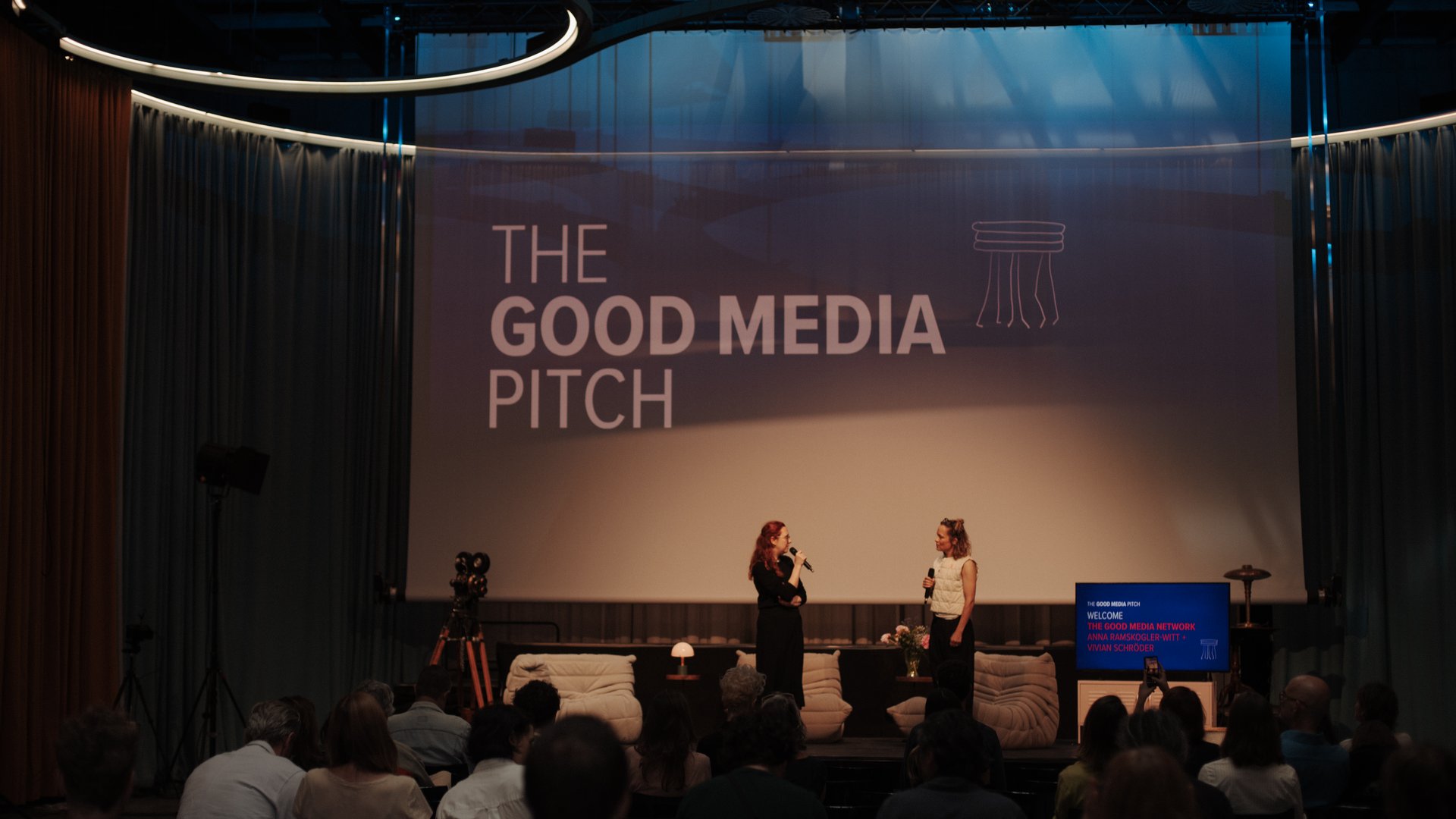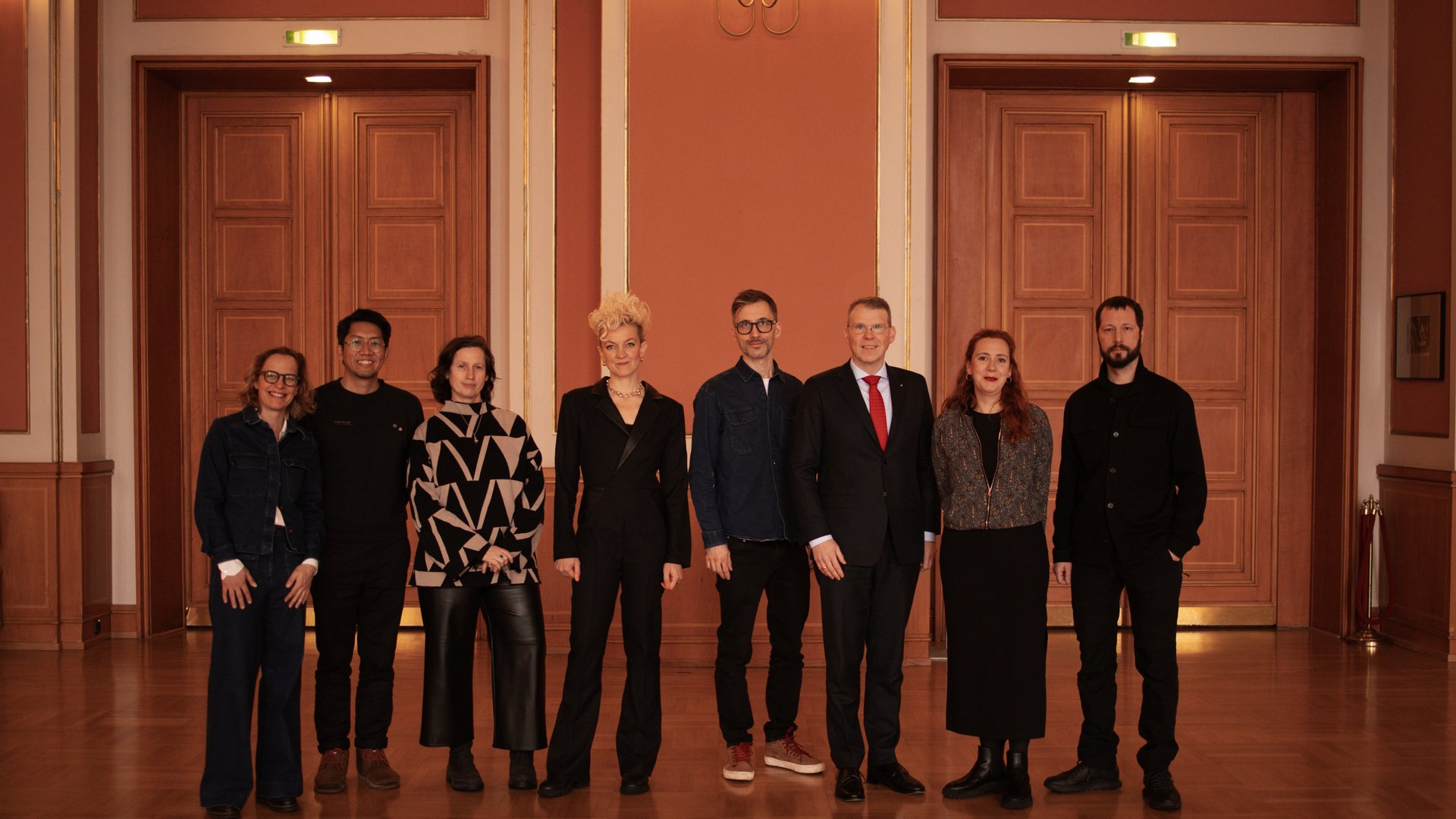
Who documents history, and which documentaries ultimately become visible? That question was at the centre of the third edition of “Films Change the World” on 13 February 2026 at the Rotes Rathaus, right in the middle of the Berlinale. It was about authorship, visibility and power: how documentaries shape our geopolitical and social memory, who gets to tell these stories, and what it means, personally, politically and psychologically, to document reality under pressure.
At the heart of the programme was a conversation that deliberately did not centre excerpts and headlines, but process and consequence: ethics, access, security, the realities of distribution, and the often unspoken human cost of documentary work, during and long after production.
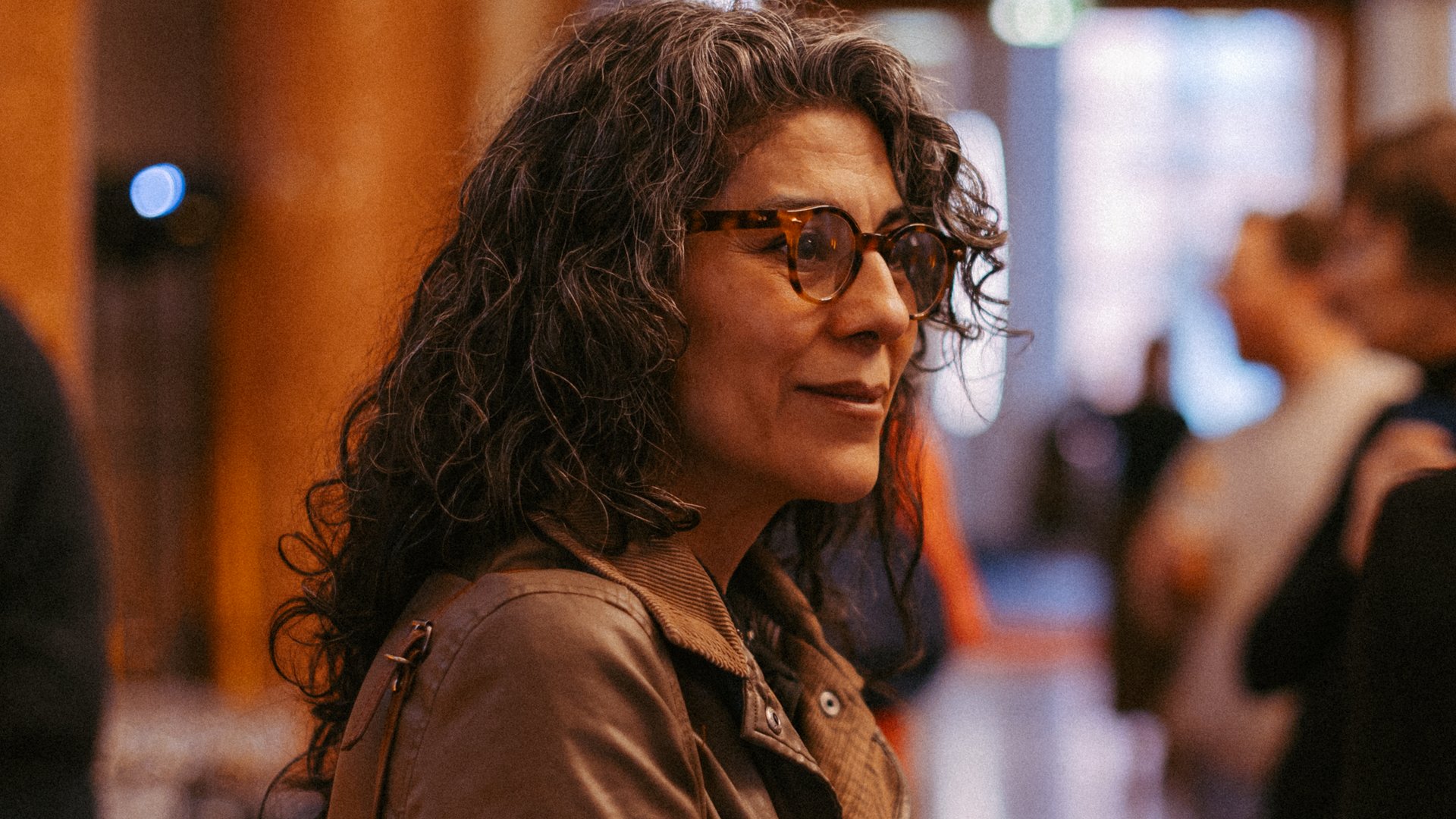
Iranian filmmaker Mahnaz Mohammadi, whose new feature “Roya” celebrated its Berlinale premiere shortly after, on 18 February, reflected on filmmaking under repression, on visibility and risk, and on her decision to make her documentary “Beyond the Lies” available online worldwide and to invite audiences to host free screenings. With the team behind “A Dangerous Assignment – Uncovering Corruption in Maduro’s Venezuela,” Roberto Deniz and Juan Andrés Ravell, we examined the afterlife of a film: editorial choices, safety considerations, international reception, and impact across different political contexts.
And we introduced “Another Story,” a new Creative Europe funded initiative that rethinks documentary film history by foregrounding overlooked work by women directors. Who is remembered, who is made visible, and how do documentary films shape our shared cultural memory?
This is exactly what “Films Change the World” stands for: a format that brings the industry together and asks the difficult questions instead of avoiding them. From choosing the guests to the partners to the production at the Rotes Rathaus, it is in our hands.